The Craft Beer Shakeout: Who Survived, Who Thrived, and What It Means for Your Six-Pack
After a decade of explosive growth, craft beer is consolidating. The correction was painful. What it left behind is more interesting than what it replaced.
The craft beer boom of 2010-2018 produced extraordinary diversity in American brewing. It also produced significant market saturation. The correction was inevitable. What it left behind is better.
The IPA Has Evolved
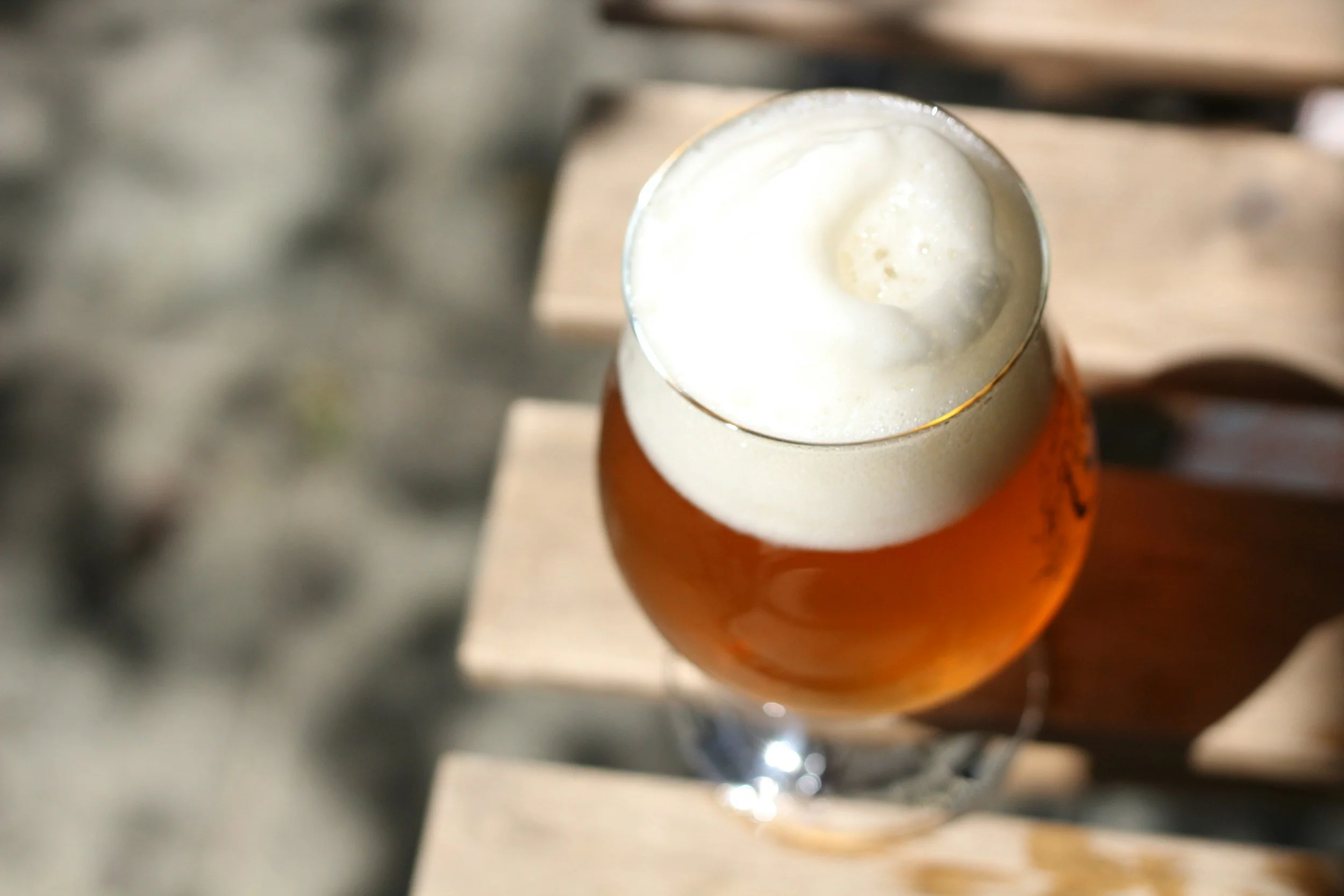
West Coast IPA gave way to New England IPA (hazy, juicy, low bitterness), which has spawned dozens of sub-styles: milkshake IPA, cold IPA, brut IPA, session IPA. The style that defined craft beer has fractured into a family of related expressions, and the best examples of each are outstanding.
Lager Makes Its Comeback
After years in the shadows, craft lager is having its moment. Clean, technically demanding, unforgiving of shortcuts — the best examples require weeks of cold conditioning and reward the patience with exceptional drinkability.
Hard Seltzer Stabilizes
The hard seltzer category grew explosively, plateaued, and is settling into a sustainable position. White Claw and Truly dominate volume; the craft end has found its audience among health-conscious consumers who want alcohol without calorie density or sweetness.
The Tampa Scene
Tampa's brewing scene is remarkable by national standards. Cigar City proved the market. Coppertail, Angry Chair, 3 Daughters, and a dozen others have built on that foundation. When you buy local at Liquor Depot, you're supporting a community that has put Tampa on the craft beer map.